Cocoa, Not Charcoal: Why Darker Beans Deserve a Second Look
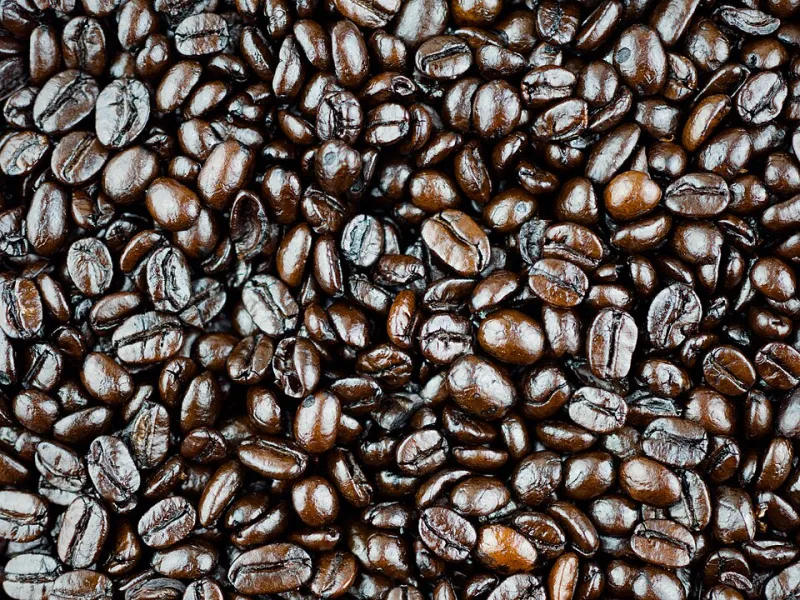
Photo: Alvintrusty, CC BY-SA 4.0, via Wikimedia Commons
There is a point in the year when a bright, tea-like filter coffee stops being the cup you actually want. The mornings are colder, the kitchen light is flatter, and the thought of bergamot and redcurrant gives way to something simpler: cocoa, dark sugar, toasted nuts, a mug that feels like a jumper. In 2026, that mood is showing up on UK coffee shelves and café menus. Darker, comfort-style roasts are quietly back.
This is not a return to the worst habits of the past. The interesting dark roast now is not a place to hide poor green coffee or a scorched roast plan. It is a deliberate style, roasted with the same attention that speciality roasters have spent years lavishing on light filter lots. The best versions are sweet, layered and deeply drinkable. The worst are still ashy and hollow. The difference is craft.
What 'dark' actually means now
Dark roast is not one flavour. It is a spectrum, and the language on bags can be loose. A good darker roast should smell of cocoa nibs, molasses, toasted hazelnut, dried cherry or dark caramel. It may have a savoury edge, a little cedar or tobacco, but it should not smell like a spent match. In the cup, it should feel round rather than burnt, with bitterness in balance rather than in charge.
A burnt roast is a different thing. That is a roast defect: the bean has been pushed too far, often with too much heat at the wrong moment, until the sugars are charred and the origin character is flattened. It tastes ashy, smoky in a creosote way, and hollow in the middle. A well-developed dark roast still has structure. It is darker in colour and heavier in body, but it has not been abandoned.
This is why the old supermarket shorthand — dark equals strong, light equals weak — is not much help. Strength is about dose and extraction. Darkness is about roast profile. A gentle dark roast can be sweet and gentle; a badly roasted light coffee can be sharp and unpleasant. The bag tells you less than the roaster's intent.
Why the pendulum is swinging back
For years, UK speciality coffee leaned bright. Filter menus celebrated clarity, acidity and provenance, and drinkers were encouraged to taste coffee a little like wine. That was a good thing. It raised standards and made roasting more transparent. But it also left a gap. Not every coffee drinker wants a cup that tastes like a fruit tea, and not every coffee moment calls for one.
Dark roasts are forgiving in the right way. They stand up to milk, which matters in a café culture built on flat whites, cortados and capuccinos. They can be comforting from a batch brewer on a cold morning. They often work well in home setups that are not perfectly dialled in, because their sugars and body give the cup a bit more padding. And for drinkers who are cutting back on alcohol, or simply looking for a cheaper treat than a pub round, a well-made dark roast has a cosy, familiar appeal without being boring.
There is also a practical pull. Roasters are more confident about darker profiles than they were a few years ago. They know how to develop a roast without flattening it, and they are less likely to treat 'dark' as a bin end. In 2026, a dark roast from a thoughtful UK roaster is less of an oxymoron than it used to be.
Brew it for sweetness, not ash
The main mistake with darker beans is brewing them like light ones. Dark roasts are more porous and more soluble. They give up their flavour quickly. If you use boiling water, a fine grind and a long brew, you will pull out the roast notes first and the ash soon after. The aim is to extract the cocoa and sugar, then stop.
For a V60, start with 15g of coffee to 240g of water at 88–90C. Use a medium-coarse grind, closer to coarse sand than fine powder. Pour gently, keep the bed flat, and aim to finish around 2:15 to 2:45. If the cup tastes ashy or drying, go coarser and cooler before you change the dose. A dark roast rarely needs more agitation; it usually needs less.
For espresso, begin around a 1:2 ratio and a temperature of 90–92C. Grind slightly coarser than you would for a light roast. If the shot is bitter and hollow, shorten the ratio a little rather than chasing a longer extraction. For milk drinks, a darker bean can be lovely, but keep the shot sweet; you want cocoa and caramel in the flat white, not charcoal.
A French press is a good friend to comfort roasts. Use a coarse grind, water at about 90C, and a four-minute steep. Break the crust gently, skim if you like, and press slowly. The goal is a plush cup with dark sugar and nuttiness, not a muddy one. If you are using an AeroPress, try 85–88C and a slightly shorter steep; darker beans can turn bitter quickly under pressure and heat.
UK roasters taking dark seriously
The names to look for are not necessarily the ones with a permanent 'dark roast' on the shelf. Many UK roasters roast darker profiles as seasonal or omni offerings, or keep a comfort blend for milk. Climpson & Sons, Square Mile Coffee Roasters, North Star Coffee Roasters, Crankhouse Coffee and Round Hill Roastery all work with enough control that a darker profile can still taste sweet and layered. Not every one of them will have a dark roast on the day you look, so ask what is drinking well. The point is the approach: a roast plan that respects the bean rather than a label that flatters it.
When you buy, check the roast date and ask how the roaster intends the coffee to be brewed. A dark roast for espresso may be too heavy for filter at the same grind, and a dark filter roast may be too delicate for a milk drink. Small bags are your friend. Dark roasts are not automatically longer-lived, and they can taste flat if they sit in the cupboard for months. Keep them sealed, cool and away from the light.
A cup worth coming home to
The return of the comfort roast is not a rejection of modern coffee. It is a correction. There is room on the shelf for the juicy Kenyan filter and the cocoa-heavy cup you want on a Sunday morning. The trick is to expect the same care from both. A dark roast done properly is not a compromise; it is a different kind of craft. In 2026, that feels like a welcome thing to have back in the cupboard.