Small Pot, Big Case: The Stovetop Brewer Worth Clearing Cupboard Space For
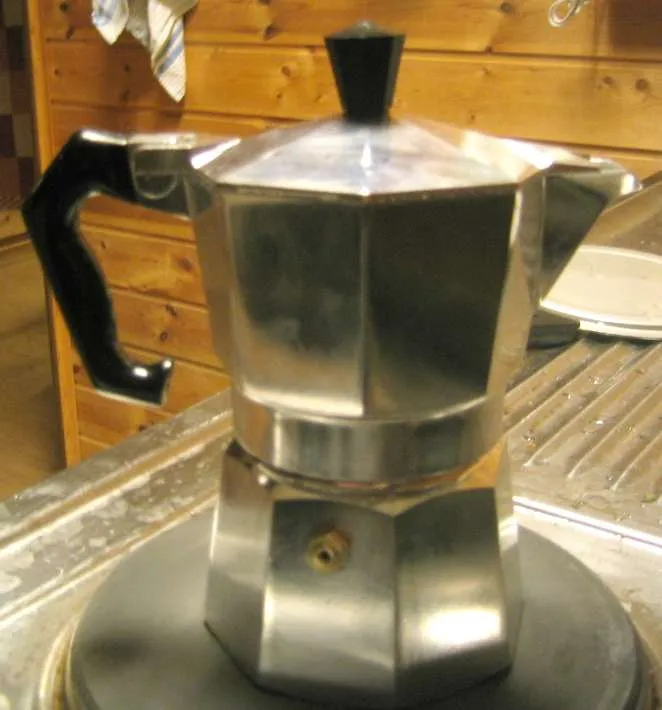
Photo: Einar Faanes, CC BY-SA 3.0, via Wikimedia Commons
Every UK kitchen has a cupboard of good intentions: the spiraliser, the bread maker, the espresso machine bought in a moment of optimism. The moka pot rarely gets that treatment. It is the stovetop underdog — cheap, compact, slightly old-fashioned — and in 2026 it deserves better than the back shelf. Here at Flagship Coffee, we think it is one of the most useful brewers a British home barista can own.
Not because it mimics espresso. It does not. But because it makes a rich, syrupy, deeply satisfying cup with almost no counter footprint and a learning curve you can climb in an afternoon.
Why the moka pot earns its place
British kitchens are not famous for spare surfaces. A pump espresso machine plus grinder can swallow half a worktop, and then ask for a plumbed water line and a patient partner. The moka pot asks for a hob and a few inches of cupboard. It is forgiving of imperfect technique, robust enough to survive a house move, and cheap enough that you can own one without feeling you have to justify it.
It is also a different kind of brewer. Where espresso uses pressure to push water through a puck, the moka pot uses steam pressure to lift hot water through a basket of coffee. The result is concentrated, textured and often a little sweeter than people expect — closer to a strong filter coffee with a cocoa edge than to a true espresso shot. Treat it as its own thing and it rewards you.
Grind: closer to fine sea salt than espresso dust
The first mistake is treating moka coffee like espresso. If you grind as fine as you would for a pump machine, the pot will struggle, the flow will stall, and the cup will taste harsh. Aim slightly coarser than espresso and finer than filter — think fine sea salt, with a little grit rather than powder.
If you buy pre-ground, look for a moka-specific grind rather than an espresso one. Freshness still matters. Fill the basket level, without pressing. Tamping is not a thing here; it creates resistance the pot cannot handle. A gentle shake to level the bed is enough. If you want to be precise, weigh the basket: a three-cup pot usually takes somewhere around 15–18g, but check your own model.
Heat: the quiet art of not rushing
Most bad moka coffee is cooked, not brewed. High heat drives steam too fast, overheats the coffee and pushes bitter compounds into the cup. Use a medium-low flame and be patient.
A useful routine is to preheat the water before it goes into the base — just off the boil, not furiously bubbling. Fill only to the safety valve, never above it. Screw the top on firmly, then set the pot on the heat with the lid open so you can hear and see what is happening. The coffee should emerge in a slow, dark stream, not sputter and spit. When the flow turns pale and noisy, take the pot off the heat. Give the coffee a stir in the top chamber before pouring; it settles unevenly.
If you use an induction hob, check whether your pot is induction-compatible. Aluminium models need an induction disc; stainless-steel versions often work directly.
The mistakes that make people give up
The usual suspects are all avoidable. Tamping the coffee is top of the list. Overfilling the water base is another. So is using coffee ground for espresso, or leaving the pot on the heat long after the brew has finished. Stale beans will taste flat no matter how good your technique is, and a dirty pot — especially one with old oils around the gasket — will turn every cup slightly sour.
Clean the pot by hand with warm water and a soft brush. Avoid harsh detergents and abrasive scourers, especially on aluminium. Replace the rubber gasket when it hardens or cracks; it is cheap and makes a noticeable difference to flow and flavour.
Milk pairing: a base, not a competitor
Moka coffee is concentrated, so it works beautifully with milk — but it needs diluting. For a flat white-ish morning cup, try roughly one part moka to two parts steamed whole milk, or adjust to taste. The coffee’s cocoa and caramel notes sit well with dairy, and barista-style oat milk makes a convincing plant-based version. For an Americano, add hot water; for an iced latte, let the moka cool briefly before pouring over milk and ice.
Side-by-side with a home espresso setup
We tasted a three-cup moka against a modest home espresso machine using the same beans. The espresso had more crema, more separation and a sharper finish. The moka had more body, a rounder texture and a long, syrupy finish — less precise, but deeply comforting. At a fraction of the price and with no pump to descale, it made a persuasive case for itself.
Is it a replacement for espresso? No. Is it a brilliant second brewer, a travel companion, a small-kitchen hero and a way to make a genuinely rich cup without spending hundreds of pounds? Absolutely.
A repeatable routine
Use filtered water if your tap is hard. Preheat the water, fill to the valve, add a level basket of moka-ground coffee, screw the top on, and set it over medium-low heat with the lid open. Listen for the change from steady flow to sputter, then remove and stir. Rinse the pot, dry it properly, and leave the top loose so the gasket can breathe.
Clear a small space for it. The stovetop underdog has earned it.