House Blend, Honestly: Eight UK Coffees Worth Auditioning for Your Daily Cup
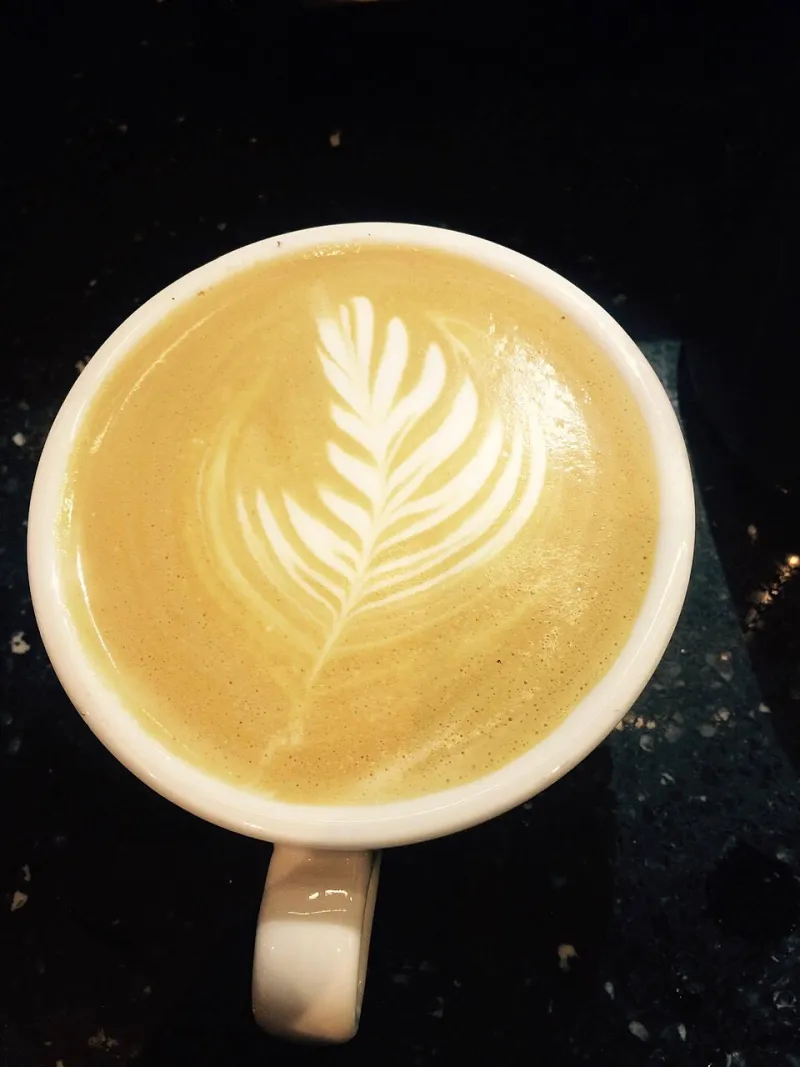
Photo: Unknown authorUnknown author, Public domain, via Wikimedia Commons
There's a decision that trips up even experienced home brewers, and it isn't about grind size. It's the moment the bag runs out and you're scrolling a roastery's shop page, trying to work out which of six blends deserves the next three weeks of your mornings.
Every roaster has a flagship: the coffee they'd want to be judged by, the one that pays the rent, the one that turns up on café shelves from Cornwall to Aberdeen. Some are genuinely lovely. Some are merely competent. A few are coasting on nice packaging and a story about a farm visit in 2011.
So this isn't a ranking. It's a set of tests — plus eight UK blends that, browsing the 2026 shelves, look worth auditioning for the daily slot.
A flagship is not a showpiece
Showpieces are the anaerobic naturals that taste of strawberry laces. You buy one a year, brew it carefully on a Sunday, and photograph it.
A flagship does the unglamorous work. It's the 7am cup. It's the one you brew badly when you're late, the one a flatmate can make without a tutorial, the one that still tastes decent when the grinder is a notch off.
That makes the criteria less exciting than you'd think — and far more useful.
Four tests before you commit to a bag
Balance when you get it wrong
A good house blend has a wide window. Push the grind a touch finer, run the temperature a degree hot, and it should taste brighter or fuller rather than bitter and hollow. If a coffee is only lovely when everything is perfect, it isn't a daily drinker.
Milk compatibility
If you take milk, look for a blend built for it: enough body and chocolatey sweetness to hold up in a 6oz flat white without going ashy. Brazilian and Colombian components usually manage this; a blend made entirely of bright washed African lots often won't.
Filter potential
The best-value flagships work in a V60 or an AeroPress as well as they do under pressure. Lighter, fruitier house blends tend to be flexible; very dark, oily roasts rarely are. If a roaster publishes separate filter and espresso recipes for the same bag, that's a promising sign.
Value, not just price
Cheap per kilo means nothing if you need 22g a shot to coax any flavour out of it. Work out cost per cup: divide the bag price by the number of doses it gives. A £12 bag at 18g a shot is roughly 86p a cup; a £9 bag that needs 22g works out around 79p. Rarely the saving you imagined.
Eight blends to audition
Foss Bridge, Northgate Coffee Roasters (York) — Brazil-heavy, with a little washed Colombian for lift. Cocoa, hazelnut, a flick of orange peel. Espresso-first, forgiving, excellent with milk. Around £10 per 250g.
Harbour Light, Kiln Row Coffee (Bristol) — a 60/40 Brazil–Ethiopia split that somehow works both ways: milk chocolate in the cup, blackcurrant in the V60. Unusually versatile for the money.
Old Town, Marchmont Roasting Co. (Edinburgh) — medium-dark, deliberately old-fashioned, and all the better for it. Treacle, toasted almond, low acidity. The one for a moka pot or a chilly kitchen.
Tide House, Penryn & Sons (Cornwall) — a seasonal house blend that rotates its components while keeping the profile steady. Nutty, rounded, dependable, and roasted a touch lighter than most, which suits an AeroPress nicely.
Loom Street No.1, Loom Street Coffee (Manchester) — the most modern of this bunch, with a natural Brazilian in the mix, so expect berry sweetness alongside the chocolate. Superb as espresso; a little muddy in filter.
Green Chain, Bexley Green Roasters (London) — clean, sweet, gently citric. Works beautifully as a filter flagship and holds its own with milk at 5–6oz. Good value per cup.
Lough Shore, Strangford Coffee (Belfast) — soft, sweet and low in acidity. The blend to hand someone who insists they don't like fancy coffee.
Cae Du House, Cae Du Roasters (Cardiff) — a broad, crowd-pleasing middleweight with a long finish. Reliable in every brewer we tried, which is precisely the point.
Availability shifts with harvests and small roasteries sell out fast, so treat each entry as a profile to hunt for rather than a permanent listing.
How to audition a bag without wasting it
Buy 250g, not a kilo. Brew it three ways in the first week — espresso or moka, filter, and with milk if that's your habit — and keep rough notes. Then ask the only question that matters: would I be happy drinking this every day for a month?
If the answer is an enthusiastic yes, you've found your flagship. If it's a shrug, keep looking.
The takeaway
A dependable house blend won't dazzle you. It'll just quietly make your mornings better, bag after bag, while you spend your attention on the things that genuinely change a cup: fresh coffee, decent water, and a grinder you trust.