After Dark: Giving Decaf the Craft Treatment It Has Earned
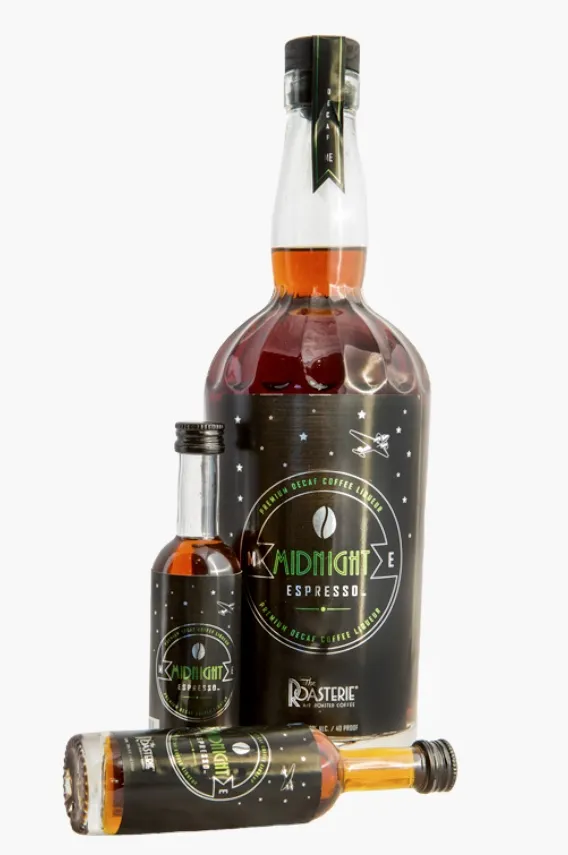
Photo: Midnight Espresso, CC BY-SA 4.0, via Wikimedia Commons
The menu’s quiet apology
There is a certain look that crosses a barista’s face when someone orders decaf after dinner. Not hostility, exactly. More a small, practised shrug. The decaf beans are in the hopper, the grinder is set, and the drink will be fine. But “fine” is a low bar for a cup that people choose on purpose.
Decaf has spent decades as the afterthought of the coffee world: the dusty bag at the back of the shelf, the supermarket own-brand block, the drink that exists so someone can have a coffee without the caffeine. That story is out of date. Modern decaffeinated coffee can be sweet, aromatic and genuinely interesting. It deserves better than a shrug.
This is not a plea to replace your morning espresso with decaf. It is an argument for giving the evening cup the same craft attention as the first one. If coffee is worth caring about, it is worth caring about after dark too.
Decaf is not a flavour, it is a process
The biggest misunderstanding is that decaf has one taste. It does not. The flavour depends on the coffee, the roast and, crucially, the decaffeination method.
Swiss Water Process uses water and carbon filters rather than chemical solvents to remove caffeine. It is gentle and widely used. In the cup, it can produce a clean, soft sweetness. Sometimes it mutes the brightest acidity a little, but a good roaster can work with that.
CO2 decaffeination uses pressurised carbon dioxide. It is very good at preserving delicate aromatics and acidity. For washed Colombian coffees, this can mean a cup that still feels lively, with red apple, citrus or floral notes rather than flat cocoa.
Sugarcane or ethyl acetate methods are often used in Colombia and other producing countries. The process can round out the coffee and add a faint sweetness to the profile. Some drinkers love that soft, almost brown-sugar quality. Others prefer the cleaner edge of CO2.
There are other methods, including solvent-based processes that have improved considerably, but the point is simple: decaf is not one homogeneous brown liquid. It is a series of choices, and those choices show up in the cup.
Colombia and Brazil are doing the heavy lifting
If you want to understand why decaf has improved, start with South America. Colombian decafs have become especially convincing. A washed Colombian decaf from a UK roaster often shows red apple, caramel, cocoa and a gentle citrus lift. It can work beautifully as a filter coffee and hold its own with milk. Look for lots from Huila or Tolima, and ask whether the roaster knows the decaffeination method. That question alone separates the curious from the careless.
Brazilian decafs offer a different pleasure. Natural and pulped natural coffees bring nutty sweetness, milk chocolate and dried fruit. They are comfort cups without being dull. A Brazilian decaf roasted for filter can taste like hazelnut and soft caramel; as espresso, it can make a very civilised flat white or cortado after 8pm.
UK roasters are increasingly listing decaf as a named lot rather than a generic blend. That matters. When a roaster puts the origin, process and decaffeination method on the bag, it is a signal that the coffee is meant to be tasted, not hidden. The best decafs are not apologetic. They are simply good coffees that happen to be caffeine-free.
Brew it like you mean it
Decaf often gets brewed with leftover settings and low expectations. That is a mistake. Start with the same dose and ratio you use for regular coffee, then adjust.
For filter, begin at around 60 g per litre and a medium grind. If the cup tastes hollow or watery, go a little finer. If it tastes bitter, muddy or stalls, go coarser. Decaf beans can behave differently from batch to batch, so do not assume the same grind setting will always work. Taste is the guide, not the label on the grinder.
Espresso is where decaf can surprise people. It can produce lovely syrupy shots, but it can also run fast or throw more fines than expected. Keep your basket dose consistent, adjust the grind in small steps and taste before you change the recipe. If the shot is sharp and thin, grind finer. If it is harsh and drying, back off.
Water matters here too. A very high-alkalinity tap water will flatten the delicate fruit in a Colombian decaf just as surely as it flattens a regular washed coffee. If you have already adjusted your brewing water for filter, use it for decaf as well. There is no separate discipline called decaf brewing. There is just brewing, done with attention.
Milk, mood and the evening cup
Decaf and milk can be a lovely pairing, but not all decafs need the same treatment. A Brazilian decaf with chocolate and nut notes is very happy with whole milk or a barista oat drink. The fat and sweetness round out the cup without burying it. A Colombian decaf with more fruit and caramel can be excellent with semi-skimmed milk, or even black if the roast is light enough.
In cafés, the best thing you can do is ask for decaf with the same specificity you would use for regular coffee. Is it a filter decaf or espresso decaf? Which origin? How was it decaffeinated? A café that can answer those questions is probably a café that cares. A café that cannot might still make you a decent cup, but it is worth encouraging the better habit.
At home, keep a small bag of good decaf in the freezer if you drink it slowly. Let it come to room temperature before brewing, and treat it as a coffee in its own right rather than a substitute. The evening cup is not a compromise. It is a different moment: slower, softer, often shared. It deserves beans chosen with the same care as the morning ones.
The decaf renaissance is not really about caffeine removal. It is about attention. Once UK drinkers start asking for better decaf, roasters and cafés will keep giving it to them. That is a very good reason to order the second cup.