Silver Skin, Small Mess: What Happens to the Chaff in Your Coffee Bag
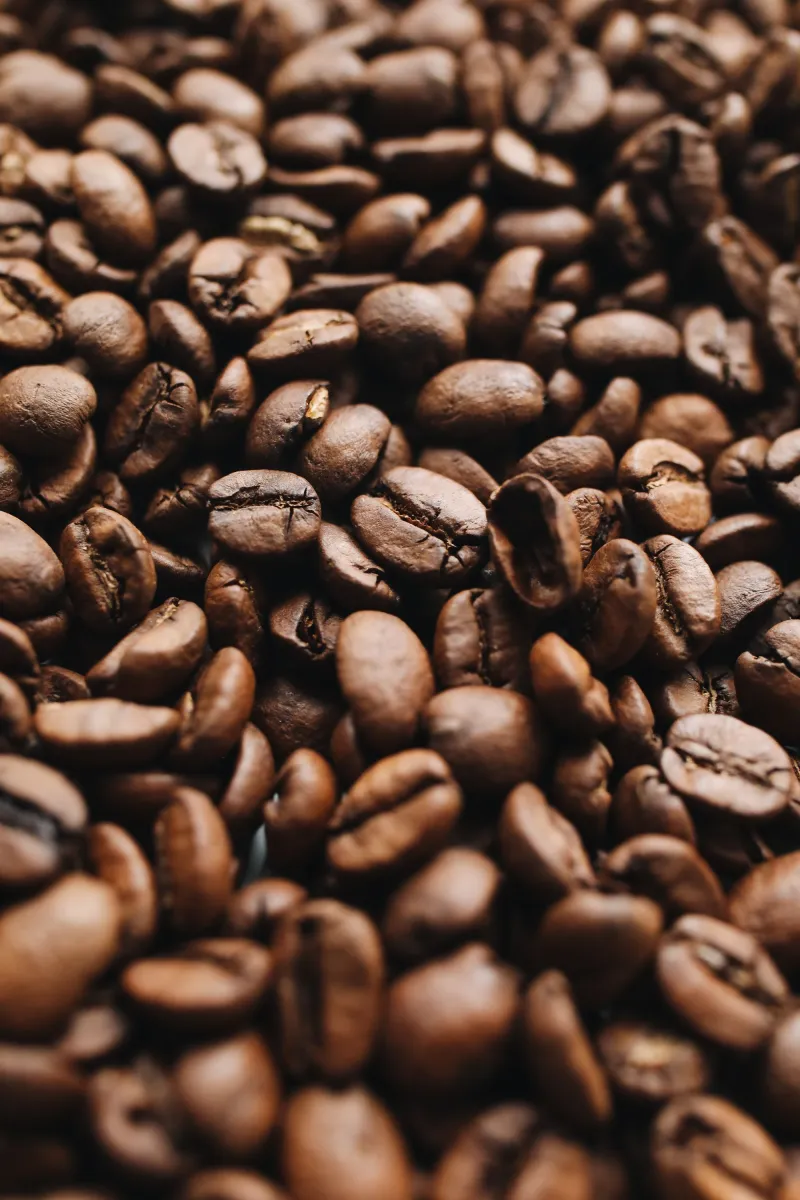
Photo: coffee chaff silver skin close up roasted beans roastery, via images.pexels.com
Open a bag of freshly roasted coffee and you might spot them: pale, papery flecks clinging to the beans or dusting the inside of the bag. They look a bit like tiny flakes of bran, or the husks you find at the bottom of a bag of walnuts. That is chaff, the silver skin that surrounds the coffee seed and comes loose as beans tumble through a roaster. It is not a flaw in the coffee, and it is not a sign that something has gone wrong. It is simply part of the process, and every UK roastery produces it by the bagful.
The interesting question is not whether chaff exists. It is what happens to it next. For a home brewer, chaff is a minor nuisance: a few flecks on the kitchen counter, a bit of static cling in the grinder, a light dusting in the bottom of the bag. For a roaster, it is a steady stream of material that has to be collected, stored, moved and, ideally, used for something sensible. In a craft industry that talks a lot about traceability and waste, chaff is one of the quiet test cases.
The stuff that never makes the cup
Chaff is the dried outer layer of the coffee bean, often called silver skin. During roasting, the beans expand and crack, and much of that skin separates. Roasters capture it with cyclones, chaff collectors and simple gravity trays, depending on the size of the setup. Some of it ends up in large sacks; some is swept up at the end of a roast day; some clings to the beans and travels all the way to your kitchen.
It is light, dry and highly electrostatic, which is why it sticks to the inside of a bag, the lip of a grinder hopper and, somehow, the sleeve of your jumper. It has very little to do with flavour. A few flecks in the dose will not ruin a brew, though a heavy hand of chaff can add a papery texture if it builds up. Mostly, chaff is a housekeeping issue with an environmental question attached.
On the roastery floor
Ask UK roasters what they do with chaff and you tend to get practical answers rather than grand claims. Small roasteries often bag it and send it to a local allotment or garden. Larger sites may compost it, mix it into green waste, or pass it to a farm or landscaper. Some burn it in controlled systems, though that is not a simple solution for every site. A few are experimenting with denser forms, such as briquettes or pellets, but the scale is often modest. Chaff is bulky and light, so moving it around costs more than its apparent value suggests.
The most common destination is compost. Chaff is dry, carbon-rich material, which makes it a useful counterpoint to the wetter, nitrogen-heavy waste from a café or roastery kitchen. It is not a miracle ingredient, and it should not be treated as a free pass for waste, but it can be part of a sensible loop. Several roasters I have spoken with describe it as one of the easier by-products to handle: it breaks down, it does not smell, and gardeners are usually happy to take it. The difficulty is consistency. A busy roastery produces a lot of it, and not every local garden can absorb the supply.
That is where the craft conversation gets interesting. Chaff is not glamorous, and it does not sell for much. But the way a roastery handles it says something about how closely it watches the whole process. A clean roastery, with chaff collected properly and bags sealed well, tends to send out cleaner coffee. A bag with a heavy dusting of chaff is not dangerous, but it can suggest a rushed finish.
The home brewer’s small problem
At home, chaff is mostly a matter of mess. It gathers in the bottom of the bag, jumps out when you open the lid, and clings to the grinder. If you use a hopper, it can build up around the burrs and make the next clean feel like a chore. If you weigh beans into a dosing cup, you will often find a little ring of silver skin at the bottom. None of this is a crisis, but it is the kind of small friction that makes a brew station feel less pleasant than it should.
The good news is that chaff is easy to manage once you stop treating it as an emergency. Decanting beans into a small airtight container gives the chaff a chance to settle, and it keeps the bag from shedding flecks every time you open it. A shallow tray under the grinder catches the stray bits. A soft brush deals with the rest. Do not wet your beans to kill the static; that is a bad trade for your grinder and your grind setting. A dry brush and a quick wipe are better.
If you grind into a cup or a small bowl, give it a tap and tip the loose chaff into the bin before you brew. A knock box or a small compost caddy nearby makes the habit easier. Keep the chaff dry if you are composting it at home, and add it in moderation alongside other green and brown waste. If your council collects food waste, check the local rules first; not every scheme accepts coffee by-products. And if a bag is unusually chaffy, it is worth mentioning to the roaster. Most will want to know. It is usually a cleaning or packing issue, not a safety one.
Should you actually care?
Yes, but not in a panic. Chaff is not the enemy of good coffee, and a few flecks will not change your cup in any meaningful way. What matters is the wider habit: buying from roasters who handle their by-products thoughtfully, storing beans cleanly, and keeping your own brew bench from turning into a snow globe of silver skin. In a small way, that is what craft coffee is about. Not making every detail dramatic, but paying attention to the details that are easy to ignore.
So the next time you open a bag and see those pale flakes, don’t tut at them. They are a reminder that coffee is an agricultural product with layers, leftovers and consequences. The best roasters do not pretend otherwise. They collect the chaff, find a use for it, and send you the part that matters. Your job is simpler: keep the bench tidy, compost what you can, and get the kettle on.